
Do I Need a Neutral Wire for a Smart Switch in the UK? Everything You Need to Know
Do I Need a Neutral Wire for a Smart Switch in the UK? Everything You Need to Know
The short answer is: not always. Some smart switches require a neutral wire to function, while others are specifically designed to work without one. Because many older UK homes do not have a neutral wire behind the light switch, it is important to check your wiring before buying a smart switch.
In this guide, we explain what a neutral wire is, why some smart switches need one, how to check whether your home has one, and what options are available if it does not.
What Is a Neutral Wire?
A neutral wire is part of your home’s electrical circuit. It carries electrical current back towards the consumer unit, helping to complete the circuit.
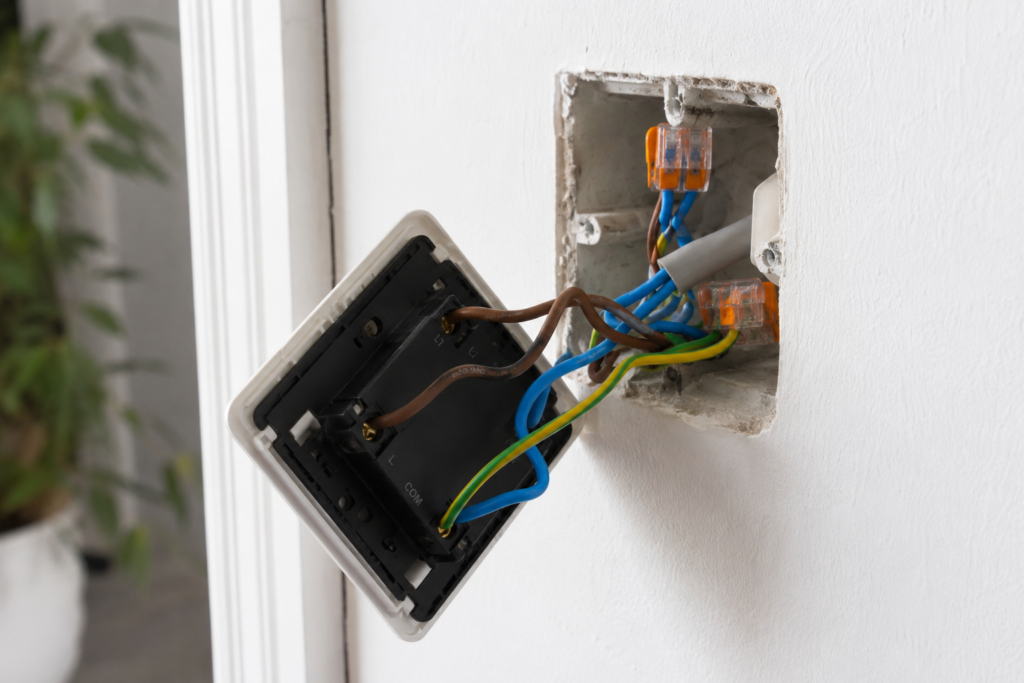
In modern UK electrical installations, you will usually find the following wiring colours:
- Live wire: brown
- Neutral wire: blue
- Earth wire: green and yellow
Traditional light switches usually only interrupt the live connection. This means that in many homes, particularly older UK properties, the neutral wire may be located at the ceiling rose rather than behind the wall switch.
Many smart switches need a small but constant supply of electricity so they can remain connected to Wi-Fi, Zigbee or another smart home system, even when the light is switched off. This is why some smart switches require a neutral wire.
Do UK Homes Have a Neutral Wire Behind the Light Switch?
It depends on the age of the property and how the electrical circuit was installed.
Some newer UK homes have neutral wires behind the wall switch, which can make installing a compatible smart switch more straightforward.
However, many older houses and flats do not have a neutral wire at the switch. Instead, the neutral connection remains at the ceiling rose or light fitting.
This is one of the main reasons why so many UK homeowners search for a smart switch without a neutral wire.
How Can I Check If I Have a Neutral Wire?
Before buying a smart light switch, you should check whether a neutral wire is available behind your existing switch.
1. Turn Off the Electricity
Always isolate the electrical circuit at the consumer unit before removing a switch plate or inspecting any wiring.
2. Remove the Switch Faceplate
Carefully unscrew the faceplate and gently move it away from the wall. Avoid touching any exposed wiring.
3. Look for Blue Wires
In a modern UK installation, neutral wires are usually blue. They may be connected together in a terminal block at the back of the wall box rather than connected directly to the switch.
4. Remember That Older Wiring Colours May Be Different
Older UK electrical installations may use different wiring colours, so you should not rely on colour alone to identify a neutral wire.
5. Ask a Qualified Electrician
If you are unsure what you are looking at, ask a qualified electrician to inspect the wiring. Incorrectly identifying electrical wires can be dangerous.
If you would like a more detailed step-by-step guide, read our article How to Check if Your Home Has a Neutral Wire in the UK.
Can a Smart Switch Work Without a Neutral Wire?
Yes, a smart switch can work without a neutral wire if it has been specifically designed for a no-neutral installation.
No-neutral smart switches are commonly used in older UK homes where the neutral wire is not present behind the existing light switch.
A smart switch without a neutral wire may be suitable if:
- Your home has an older lighting circuit.
- You do not want to run additional wiring to the switch.
- You want to upgrade an existing light switch without major electrical work.
- You have checked that the switch is compatible with your bulbs and lighting load.
Some no-neutral smart switches may require a capacitor, bypass module or compatible smart hub. Others may have minimum wattage requirements.
Always read the product specifications before ordering, especially if you use LED bulbs.
Not sure which model to choose? Take a look at our guide to the best smart switches without a neutral wire in the UK.
Why Do Some Smart Switches Need a Neutral Wire?
A standard mechanical light switch only needs to open or close the live circuit. It does not need to remain powered when the light is off.
A smart switch is different because it contains electronic components. It may need to maintain a Wi-Fi connection, receive commands from an app, communicate with a smart home hub or run scheduled automations.
The neutral wire gives the switch a continuous path for the small amount of electrical current needed to power these functions.
What Happens If You Buy the Wrong Smart Switch?
Installing a smart switch that is not compatible with your home’s wiring or lighting setup may cause several problems.
- The smart switch may not power on.
- The light may flicker when switched off.
- LED bulbs may glow faintly.
- The switch may disconnect from Wi-Fi.
- The light may buzz or behave unpredictably.
- Schedules and automations may fail.
These problems do not always mean the switch is faulty. They can also be caused by incorrect wiring, incompatible bulbs, a missing bypass module or a lighting load that is too low.
Do No-Neutral Smart Switches Work With LED Bulbs?
Many no-neutral smart switches work with LED bulbs, but compatibility varies between products.
Because LED bulbs use very little electricity, some no-neutral switches may allow a tiny amount of current to pass through the circuit while the light is off. This can sometimes cause flickering or a faint glow.
A compatible bypass module or capacitor may solve this issue, but it must be installed according to the manufacturer’s instructions.
Before buying a smart switch, check:
- The minimum and maximum supported wattage.
- Whether LED bulbs are supported.
- Whether a bypass module is included or required.
- Whether the switch supports dimmable or non-dimmable bulbs.
Wi-Fi, Zigbee or Tuya: Which Smart Switch Is Best?
Smart switches can use different platforms and communication methods. The best option depends on the size of your smart home system and how you want to control it.
| System | Hub Required? | Internet Required? | Best For |
|---|---|---|---|
| Wi-Fi | No | Usually | Simple setups and first-time users |
| Zigbee | Usually | Not always for local control | Larger smart home systems |
| Tuya or Smart Life | Sometimes | Usually | Connecting different compatible devices in one app |
Wi-Fi Smart Switches
Wi-Fi smart switches usually connect directly to your home router and do not require a separate hub. They are often easy to set up, although adding many Wi-Fi devices can place extra demand on your network.
Zigbee Smart Switches
Zigbee switches normally require a compatible hub or gateway. They can be a good option for larger smart home systems because Zigbee devices can create a mesh network.
Tuya and Smart Life Smart Switches
Tuya is a smart home platform rather than a type of wireless connection. Tuya-compatible devices may use Wi-Fi, Zigbee or another technology and can often be controlled through the Smart Life or Tuya Smart app.
Still unsure which technology is right for your home? Read our full comparison of Wi-Fi vs Zigbee smart switches.
Can I Install a Smart Switch Myself in the UK?
Replacing a light switch may appear simple, but electrical wiring can vary between properties.
If you understand the circuit, have safely isolated the electricity and are confident that the new switch is compatible, you may be able to replace an existing switch.
However, you should use a qualified electrician if:
- You cannot identify the wiring.
- The wiring colours do not match current standards.
- There is no neutral wire and additional wiring may be required.
- The back box is too shallow for the smart switch.
- The circuit has multiple switches controlling the same light.
- You notice damaged, loose or unusual wiring.
Always follow the manufacturer’s installation instructions and current UK electrical safety requirements.
Can I Use Smart Bulbs Instead of a Smart Switch?
Yes. Smart bulbs can be a practical alternative when installing a smart switch is not possible.
A smart bulb can usually be controlled through an app, voice assistant or automation without changing the existing wiring.
However, the wall switch normally needs to remain switched on. If someone turns the physical switch off, the smart bulb will lose power and cannot be controlled remotely.
A smart switch is often more convenient for shared rooms because it allows people to continue using the wall switch normally.
Frequently Asked Questions
Do all smart switches need a neutral wire?
No. Some smart switches require a neutral wire, while others are specifically designed to work without one. Always check the product description before buying.
How do I know if my UK home has a neutral wire?
A neutral wire may appear as a group of blue wires connected together behind the switch. However, older wiring may use different colours. Ask an electrician if you are unsure.
Why do older UK homes not have a neutral wire at the switch?
Many older lighting circuits were wired with the neutral connection at the ceiling rose. Only the live connection and switched live were taken down to the wall switch.
Are no-neutral smart switches reliable?
Yes, provided that the switch is suitable for your wiring, bulbs and electrical load. Some models may require a bypass module to work correctly with low-wattage LED lighting.
Can I use a smart switch with any light bulb?
Not always. Check whether the switch supports LED, halogen, incandescent or dimmable bulbs and whether it has a minimum wattage requirement.
Do smart switches work without Wi-Fi?
The physical switch should normally continue to control the light without Wi-Fi. However, app control, voice commands and remote automations may not work until the connection returns.
Do smart switches work during a power cut?
No. A smart switch requires electricity to operate. It should reconnect after the power and network connection are restored.
Can I install a smart switch in an old UK house?
Yes. You may need a no-neutral smart switch, a compatible bypass module or additional electrical work, depending on the existing wiring.
Can a no-neutral smart switch cause LED lights to flicker?
It can happen if the lighting load is too low or the bulbs are not compatible. A bypass module may be required to stabilise the circuit.
Final Thoughts
If you are wondering whether you need a neutral wire for a smart switch in the UK, the answer depends on your existing wiring and the type of smart switch you choose.
Many older British homes do not have a neutral wire behind the light switch. However, this does not mean that you cannot install smart lighting. A smart switch designed for no-neutral wiring may allow you to upgrade your home without running a new neutral wire to the switch.
Before buying, check the wiring, bulb compatibility, minimum load, back-box depth and whether the switch requires a hub, capacitor or bypass module.
Taking a few minutes to check these details can help you avoid flickering lights, connection problems and unnecessary returns.
Related Guides
- How to Check if Your Home Has a Neutral Wire in the UK
- Best Smart Switches Without a Neutral Wire in the UK
- Wi-Fi vs Zigbee Smart Switches: Which One Should You Choose?
People Also Search For
- smart switch without neutral wire UK
- no neutral smart switch UK
- do smart switches need a neutral wire
- how to check for a neutral wire UK
- smart light switch for an old house
- Tuya smart switch without neutral
- Zigbee smart switch without neutral wire
- Wi-Fi light switch UK
- smart switch for LED lights
- smart switch bypass capacitor
- why does my smart switch flicker
- UK light switch wiring colours
- smart switch installation UK
- best smart switch without neutral wire

Leave a comment