
Summer Garden Irrigation – How to Choose the Right System (and Stay Sane)
Garden Irrigation Systems: How to Choose the Best Watering System for Your Garden
Summer arrives, temperatures rise, and suddenly the garden starts asking for water almost every day. Many people end up watering plants manually with a hose or watering can, which quickly becomes time-consuming and inconsistent.
That is why more homeowners are searching online for questions like how to water a garden efficiently, what is the best irrigation system for a garden, or how to automate garden watering.
A well-designed garden irrigation system can save time, reduce water waste and keep plants healthier throughout the growing season. Instead of spending evenings chasing dry spots on the lawn, an irrigation system delivers water exactly where it is needed.
In this guide, we explain how irrigation systems work, what types exist, how to choose the right one for your garden and whether you can install it yourself.
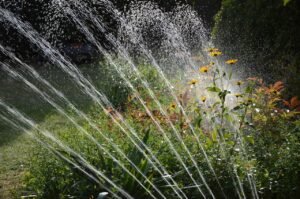
Why Install a Garden Irrigation System?
1. Save time and effort
One of the most common questions people ask is is an irrigation system worth it. For many gardens, the answer is yes.
Manual watering can take a surprising amount of time, especially during hot weather. An automated watering system allows you to set a schedule so your plants receive water regularly without daily effort.
2. Reduce water waste
Many people search for how to water plants without wasting water. Traditional hose watering often sends water where it is not needed. Irrigation systems deliver water more precisely, reducing evaporation and unnecessary runoff.
3. Healthier plants
Plants grow best when they receive water consistently. Too much water can damage roots, while too little water slows growth.
A properly adjusted irrigation system provides regular watering, which helps maintain healthy soil moisture levels and encourages stronger plant growth.
4. Automated watering
Modern systems allow you to schedule watering times or connect sensors that measure rainfall or soil moisture. Many gardeners look for automatic watering systems for gardens because they allow plants to be watered even when the homeowner is away.
Types of Garden Irrigation Systems
When people search for which irrigation system is best for a garden, they usually encounter several main types.
Drip Irrigation Systems
Drip irrigation delivers water slowly and directly to the roots of plants through small tubes and emitters.
This method is ideal for:
- vegetable gardens
- greenhouses
- raised beds
- flower borders
- potted plants
Many gardeners search for drip irrigation for vegetable gardens because it reduces water waste and targets plant roots precisely.
Sprinkler Systems
Sprinklers spray water over a larger area and are commonly used for lawns.
People often search for best sprinkler system for lawns or how to water large gardens. Sprinklers provide wide coverage and are particularly useful for grass areas.
Micro Sprayers and Mist Systems
Micro-sprayers distribute water in a fine spray. They are commonly used for delicate plants, flower beds and ornamental gardens.
This type of irrigation provides gentle and even watering without flooding plant roots.
Smart Irrigation Systems
Technology has introduced smart irrigation systems that connect to sensors or weather data.
These systems can:
- detect soil moisture
- stop watering after rainfall
- adjust watering schedules automatically
Many homeowners now search for smart garden irrigation systems or automatic watering systems with sensors to reduce manual monitoring.
What to Consider Before Choosing an Irrigation System
Garden size
The first factor is the size of your garden. Small gardens may only need a simple drip kit, while larger lawns often require sprinklers or multiple watering zones.
Types of plants
Different plants have different watering needs. Vegetable beds often need frequent watering, while many ornamental plants require less water.
Understanding plant requirements helps determine the most efficient irrigation method.
Water source
People often ask can irrigation systems use rainwater. The answer is yes. Irrigation systems can be connected to mains water, rainwater tanks or other water sources depending on pressure and availability.
Installation complexity
Some irrigation systems are simple DIY kits, while others require underground piping or professional installation.
Many homeowners search for easy DIY irrigation kits because they can be installed in a few hours without specialist tools.
Can You Install a Garden Irrigation System Yourself?
Another common question is can I install an irrigation system myself.
For small or medium gardens, many irrigation kits are designed for DIY installation. Most systems include connectors, tubing and emitters that can be assembled easily.
However, for larger gardens with multiple zones, underground pipes or automated controllers, professional installation may be a better option.
How Much Water Do Gardens Need?
Many gardeners search for how often should you water a garden. The answer depends on several factors:
- plant type
- soil type
- temperature
- sun exposure
- rainfall levels
In general, deep watering a few times per week is often better than frequent shallow watering. Irrigation systems help maintain consistent moisture levels more easily.
Is a Garden Irrigation System Worth It?
For many homeowners, installing an irrigation system is a practical investment.
It can reduce daily gardening work, improve plant health and help use water more efficiently. With the right setup, your garden continues receiving proper watering even during hot weather or while you are away.
Instead of spending evenings moving hoses around the lawn, the system takes care of watering automatically.
FAQ: Garden Irrigation Systems
What is the best irrigation system for a garden?
The best system depends on your garden layout. Drip irrigation is ideal for vegetable beds and flower borders, while sprinklers are often better for lawns.
Are irrigation systems expensive?
Costs vary widely. Simple DIY drip kits can be inexpensive, while large automated systems with sensors and multiple zones can cost more.
How often should irrigation systems run?
Most gardens benefit from deep watering several times per week rather than short daily watering sessions. The exact schedule depends on weather and plant needs.
Can irrigation systems save water?
Yes. Because irrigation systems deliver water directly to plants and roots, they usually waste less water than manual hose watering.
Do irrigation systems work with rainwater tanks?
Many irrigation systems can be connected to rainwater tanks if sufficient pressure is available.
Can irrigation systems be automated?
Yes. Timers, moisture sensors and smart controllers allow fully automated watering schedules.
Are drip irrigation systems better than sprinklers?
Drip irrigation is more efficient for targeted watering of plants and vegetables, while sprinklers are better for covering large lawn areas.
People Also Searched For
garden irrigation system, automatic garden watering system, drip irrigation system, sprinkler irrigation system, smart irrigation system, DIY irrigation kit, irrigation system for vegetable garden, lawn sprinkler system, garden watering solutions, garden irrigation ideas, micro irrigation system, irrigation system with timer, automatic plant watering system, rainwater irrigation system, irrigation system for raised beds, watering system for greenhouse, garden hose irrigation kit, efficient garden watering, best irrigation system for small garden, smart garden watering system, water saving irrigation system
Leave a comment